


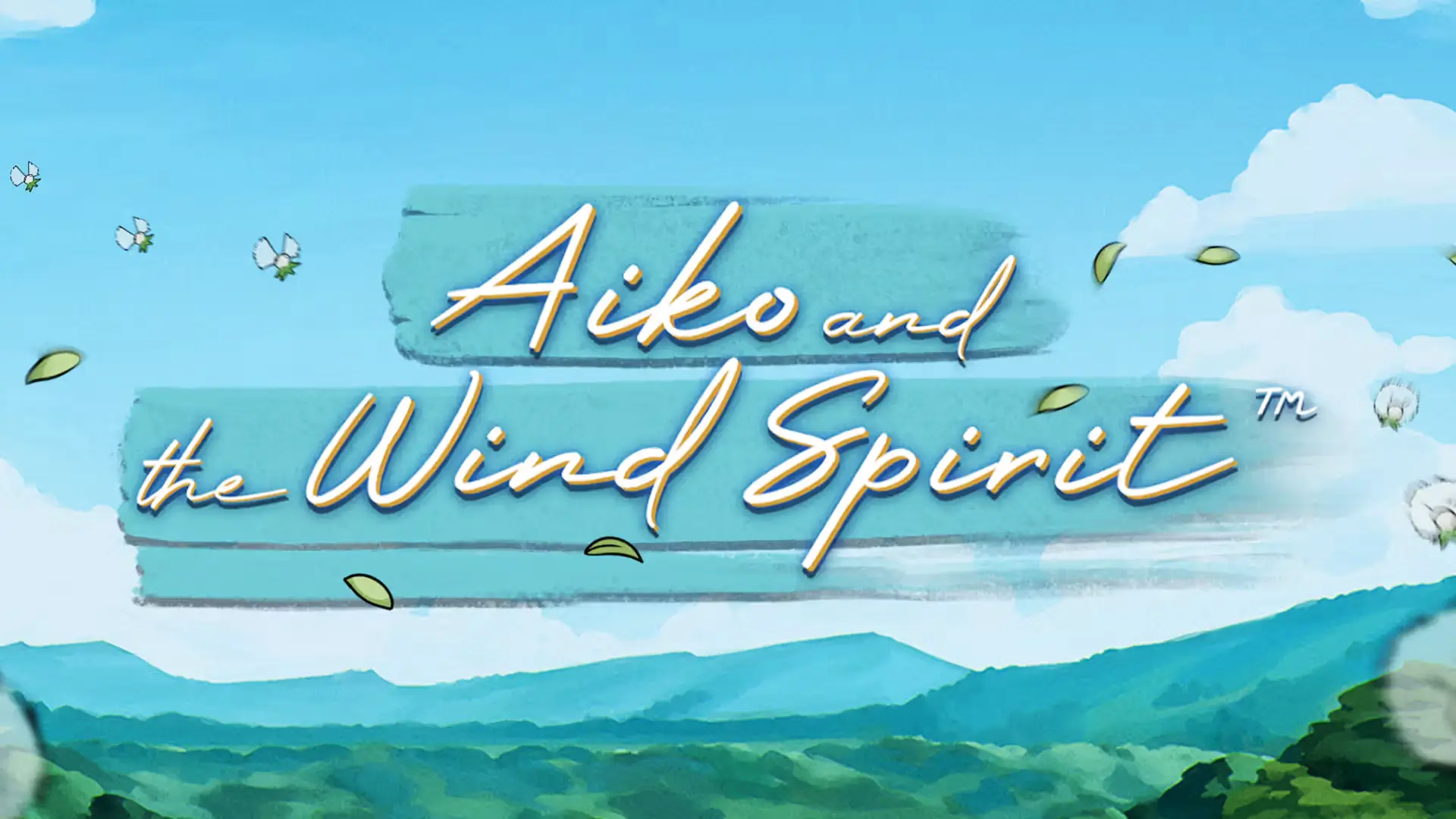
The Artistic Vision: Studio Ghibli Inspiration
Slot games themed around anime frequently rely on hyper-saturated cyberpunk tropes or exaggerated magical-girl cliches. Hacksaw Gaming took a radically different creative path with Aiko and the Wind Spirit. The visual architecture is inspired directly by the naturalistic serenity of Studio Ghibli masterpieces such as Princess Mononoke, Spirited Away, and The Wind Rises.
The color palette uses muted watercolor pastels—gentle cerulean blues, jade greens, and soft parchment whites—contrasting starkly with the dark gritty themes typical of Hacksaw's back catalogue (such as Chaos Crew or Hand of Anubis). The serene backdrop is dynamic, featuring drifting sakura petals, swaying bamboo reeds, and ambient cloud formations that react smoothly to player interactions.
Character Profile: Who is Aiko?
At the core of the game's emotional resonance is Aiko, a young shrine maiden (miko) entrusted with maintaining spiritual harmony in her sacred valley. Unlike passive mascot characters found in standard slots, Aiko actively participates in the game state:
- Base Game Stance: During standard spins, Aiko stands poised and tranquil beside the grid, observing the winds with quiet contemplation.
- Multiplier Invocation: When high-tier cluster connections form, Aiko performs spiritual hand seals (kuji-in), calling upon the Wind Spirit to manifest across the reels.
- Super Free Spins Transformation: During the enhanced bonus rounds, Aiko's robes surge with elemental aura as golden wind spirals envelop the entire 5x5 grid, symbolizing the full release of latent spiritual energy.
Shinto Wind Mythology: Kamaitachi & Fujin Elements
The elemental mechanics in Aiko and the Wind Spirit are grounded in traditional Japanese Shinto folklore:
Fujin: The Wind Kami
In Japanese cosmology, Fujin is one of the oldest Shinto gods, depicted releasing roaring mountain gales from a large bag across his shoulders. In the game, the Wind Spirit represents this benevolent yet unstoppable force, sweeping away low-paying symbols and amplifying winning clusters with escalating multipliers.
Kamaitachi: The Whirling Blades
Folklore speaks of Kamaitachi—wind spirits riding swift squalls that cut with razor-sharp speed. In the slot, slicing wind animations carve across the reels when Wilds and Multiplier Orbs collide, mirroring this mythical phenomenon.
Comparative Breakdown: Aiko vs Leading Anime Slots
To understand where Aiko and the Wind Spirit stands within the modern slot ecosystem, examine how it compares to the two dominant anime benchmark titles in iGaming:
| Feature | Aiko and the Wind Spirit | Starlight Princess | Moon Princess 100 |
|---|---|---|---|
| Developer | Hacksaw Gaming | Pragmatic Play | Play'n GO |
| Anime Sub-Genre | Shinto Myth / Ghibli Fantasy | Magical Shojo / Isekai | Sailor Moon Heroine |
| Mechanic | Cluster Pays + Wind Cascades | Pay Anywhere (8+) + Tumble | 5x5 Grid Drop + Meter Clear |
| Max Win | 10,000x Bet | 5,000x Bet | 15,000x Bet |
| Audio Identity | Shakuhachi flute + Lo-Fi Chill | Energetic Eurobeat EDM | Orchestral J-Pop synth |
The Audiovisual Symphony: Lo-Fi Beats & Shakuhachi
A notable achievement in Aiko and the Wind Spirit is its sound design. While most slot audio relies on jarring synthetic chimes and aggressive fanfare, Hacksaw created an original soundtrack combining classical bamboo flutes (shakuhachi), plucked zithers (koto), and gentle lo-fi hip-hop percussions.
This creates a calming, hypnotic soundscape during extended base game sessions. When big wins occur, the audio seamlessly transitions into resonant taiko drums, capturing the awe of a summer shrine festival.